
5 Hook Formulas for Short Videos (with Real Examples from One Interview)
The first three seconds decide whether a clip gets watched. Five hook formulas that work, the mistakes that kill curiosity, and real hooks written for one interview.
In shortA hook is the line on screen in the first three seconds of a clip. It should make the viewer curious, not tell them what the clip says. Five formulas cover most good hooks: a surprising number, a confession, a direct challenge, a cliffhanger and a provocative question.
Why the first three seconds decide everything
On TikTok, Reels and Shorts, people decide in a moment whether to keep watching or scroll on. Most watch without sound, so the words on screen do the work. A clip with a great story and a weak first line simply does not get seen.
That is why a good short clip carries a hook: a short line of bold text burned into its first seconds. Its only job is to make someone stay long enough for the clip to start paying off.
The two mistakes that kill a hook
Starting with filler (“So, in this video…”) is the third one. Cut straight to the tension.
5 hook formulas that work — with real examples
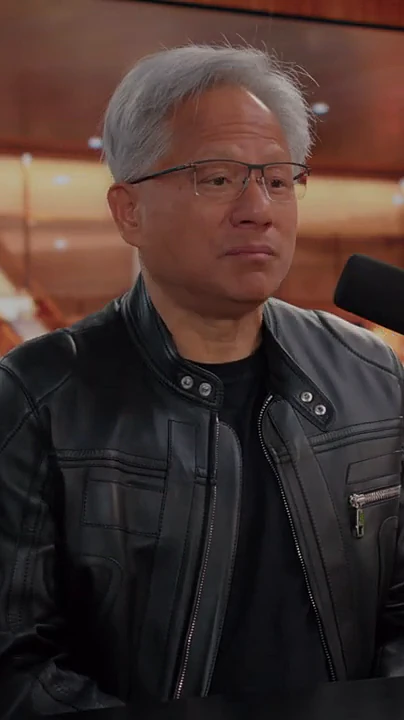
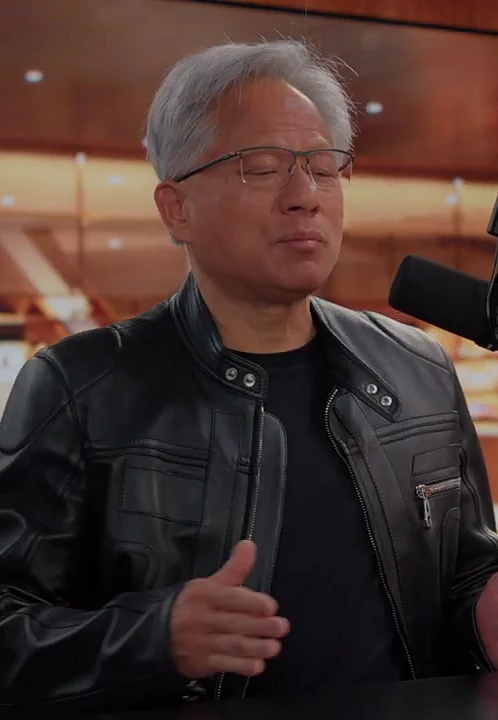
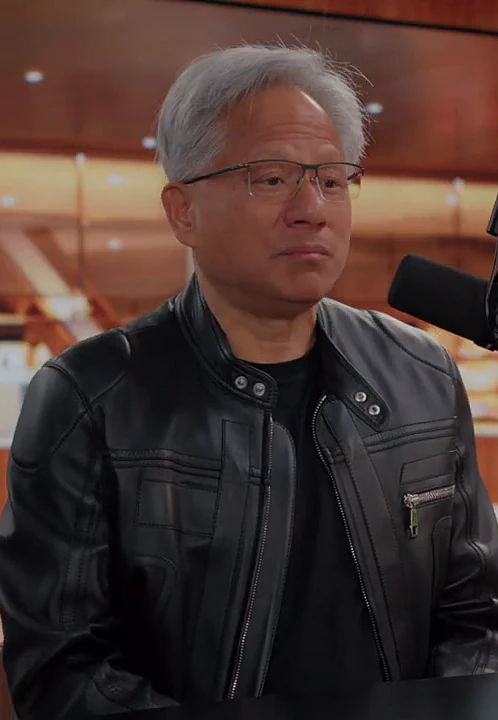
Below, each formula comes with a classic pattern and the hooks our AI agent actually wrote when it cut 18 clips from a 1 hour 43 minute interview with Jensen Huang. The hooks are translated from the original run.
1. The surprising number
A specific number feels concrete and slightly unbelievable — viewers stay to see how it adds up.
- Pattern“97% of people do this wrong”
- RealChips 75% better, yet 50× faster?
- Real50× more than Moore’s law could give — from algorithms
2. The confession or secret
Admissions and insider details promise something most people do not get to hear.
- Pattern“Nobody warned me about this”
- RealJensen admits: I underestimated this
- RealEveryone said Nvidia would never survive
3. The direct challenge
A strong claim or a quote with attitude triggers agreement or disagreement — both keep people watching.
- Pattern“You’ve been lied to about sleep”
- Real“We are not losers!” Jensen fires back
4. The cliffhanger
It opens a story and stops at the turning point, so the clip itself becomes the answer.
- Pattern“That’s when everything collapsed”
- RealEveryone said Nvidia would never survive
5. The provocative question
A question with a surprising premise makes the viewer guess — and want to check their guess.
- Pattern“What if everything you know is wrong?”
- RealMore AI agents, more money for software companies?
- RealCUDA burned money for 20 years. Why keep going?
How to write the hook for a specific clip
- Find the surprise in the clip What is the one thing in this clip a viewer would not expect? A number, an admission, a reversal, a bold claim. That is your raw material.
- Pick the formula that fits it A number wants formula 1, an admission formula 2, a strong opinion formula 3. Do not force a question onto a clip that has a great number.
- Hide the answer The hook raises the question; the clip answers it. If the hook already gives the answer away, rewrite it.
- Cut it to ten words Then read it as if you were scrolling past. If you would not stop, try another formula.
Let the AI draft the hooks, then make them yours
When Smart Clip cuts clips from a long video, its agent writes a hook for each one following these rules: in the language of the video, about ten words, never a summary, and a different formula from clip to clip. You can change any hook by clicking it, or ask in chat — “make the hook of clip 3 a question” — and the agent rewrites it.
Before export you choose how the hook looks: on or off, font, color, size and bold. It is drawn into the first three seconds of the clip, exactly as in the preview.
Hook checklist
- Ten words or fewer.
- Raises a question the clip answers.
- Specific to this clip — it would not fit any other video.
- No filler at the start.
- Same language as the video, unless you post for another audience.
- Different formula from the clips posted around it.
Frequently asked questions
How long should a hook be?
About ten words or fewer. It is on screen for the first three seconds, and people read it while the clip starts playing — anything longer does not get read.
Should the hook be in the same language as the video?
Yes, by default — a viewer who hears one language and reads another is confused. If you post for a different audience, translate the hook and the subtitles together.
Can I use the same hook formula for every clip?
Better not. A feed of clips that all start with a number or all start with a question looks formulaic. Mix the formulas across a set of clips.
Is the hook the same as the video title?
No. The title is what people see before they tap; the hook is burned into the first seconds of the video itself, for people who are already watching and deciding whether to keep watching.